


Charlie Health
4.027.00 Reviews
App Specs
- Version
- 2.12.0
- Updated On
- License
- Free
- Downloads
- 10,000+
- Developer
- Charlie Health
- Categories
- Medical
- Platform
- Android
Screenshots
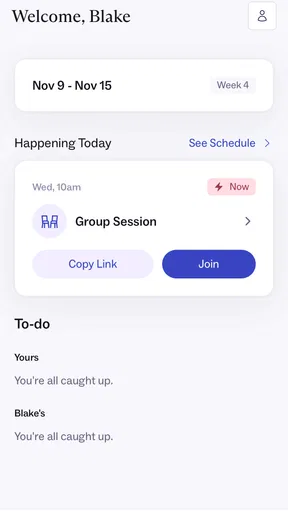
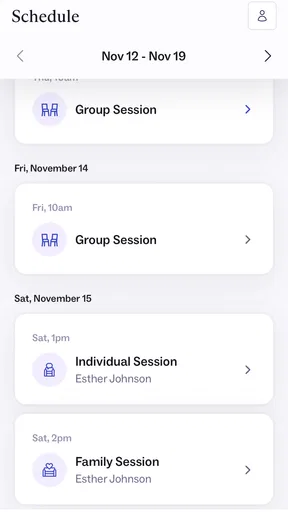
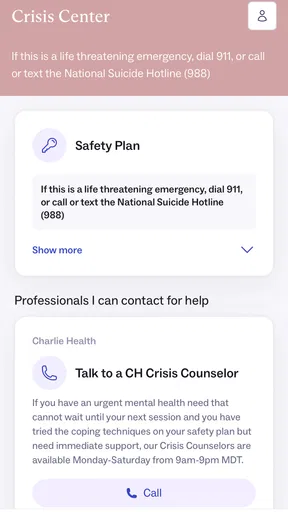
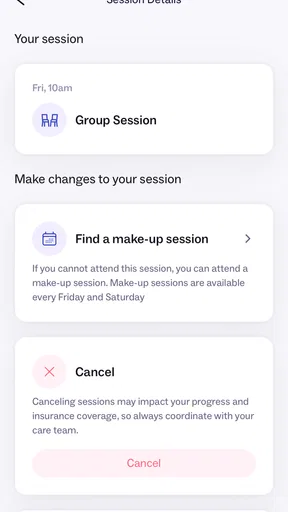

 Analysis by AppCompare
When mental health support feels too difficult to arrange in person, Charlie Health offers a more focused route from home. I approached it as a medical app rather than a general wellness tool, and that distinction matters: its purpose is to connect people with intensive treatment programs designed around their needs, not simply provide a collection of calming exercises or motivational reminders. The developer is Charlie Health, and the app is free to download for everyone.
My first impression is that this is best understood as a digital doorway into structured care. The app itself is not the whole treatment experience in the way a meditation timer or mood journal might be. Instead, it is intended for people who may need more support than occasional self-guided activities can provide. That makes the starting condition especially important. If someone is looking for immediate emergency help, a simple daily habit, or an anonymous space to browse mental health information, this is probably not the right first stop.
For someone who is struggling to keep up with everyday life, school, work, relationships, or personal safety, the appeal is clearer. Being able to begin the process from home can remove practical barriers such as travel, waiting rooms, or the discomfort of explaining everything face to face at the very first step. The strongest idea behind Charlie Health is not convenience alone, but a more manageable path into intensive support.
From deciding to seek help to finding a workable care path
I’d use this section to focus on the practical shift from realizing that self-help is no longer enough to identifying what kind of care could fit daily life. Before taking a first step, I’d jot down a few concrete examples of what has become difficult and the questions I need answered; that makes it easier to judge whether the next care path feels manageable, not just promising.
The starting point: recognizing that ordinary tools are not enough
I would recommend starting with an honest question: what kind of help do you actually need right now? Charlie Health makes more sense when the answer involves ongoing, substantial support rather than a quick check-in or a few educational articles. If you have already tried to manage symptoms alone and keep finding that they interfere with daily responsibilities, a structured program may be more appropriate than another self-help download.
This is also where expectations should be set carefully. Installing the app does not make difficult feelings disappear, and opening it is not the same as completing treatment. The useful outcome depends on engaging with the care process it is meant to support. I would treat the app as an access point and organizational aid, not as a replacement for every other form of medical or crisis support.
The medical category is a good fit because the app is connected to treatment rather than general lifestyle improvement. That can be reassuring for a person who wants a more serious response to ongoing mental health concerns. It can also feel heavier than expected for someone who only wanted a private mood tracker. Choosing it because the name sounds familiar or because it is free would be the wrong reasoning; choosing it because you are ready to explore intensive care is more sensible.
Worth Reading Before You Choose

Flipboard Shows What News Apps Must Do Beyond the Feed

Switching to Android Auto Means Rethinking Your Driving Routine

Google Calendar Makes a Crowded Week Easier to Manage

Ludo King Makes the Most of the Minutes Between Plans

Baby Panda World Brings Quick Play to Modern Phones, but Its Game Library Feels Busy

ESPN’s Live Game View Makes Following Close Games Easier
Moving through the first steps
The practical workflow begins with opening the app and considering whether its treatment-oriented approach matches your situation. I found it helpful to think about the information I would want ready before beginning: what has been happening, how long it has affected daily life, what kinds of support have already been tried, and what makes attending care difficult. Preparing those thoughts beforehand can make the first interaction less scattered and reduce the pressure to remember everything in the moment.
A useful tip is to write down examples rather than relying only on labels. Saying that you feel “bad” is less helpful than noting that you have stopped attending classes, cannot maintain a normal sleep routine, or are avoiding conversations you used to manage. Concrete examples give the care process something practical to work with. They also help you judge later whether the program is addressing the problems that brought you there.
The app’s store presence identifies it as free, which lowers the barrier to trying the initial route. Still, free access to an app should not be confused with every possible aspect of treatment being cost-free. Before committing to a program, I would review the financial and eligibility details presented during the process and discuss them with the relevant care or support contact. That is a more responsible approach than assuming the download price explains the entire treatment arrangement.
Because the application is relatively new, its current version is 2.12.0, and the minimum operating-system requirement is Android 7.0 or later. For most modern phones that should be straightforward, but anyone using an older device should check compatibility before relying on it for an important appointment or intake step. Updating the app before a scheduled interaction is a small but worthwhile precaution.
What the handoffs feel like
The most important handoff is from the person using the app to the people responsible for assessing needs and shaping care. That transition is different from using an automated wellness app, where the user usually remains alone with the content. Here, the value comes from moving beyond the screen toward a treatment relationship. I would pay attention to whether the communication feels clear, whether next steps are understandable, and whether the proposed intensity matches what you can realistically manage.
A second handoff happens between the app and everyday life. Even excellent support can fail to help if it is treated as a separate activity that never connects with school, work, family responsibilities, or existing medical care. I would keep a simple note after each meaningful interaction: what was discussed, what I am expected to do next, and what question I still have. This creates continuity when attention is low or emotions are running high.
A third handoff may involve trusted people around you. Not everyone wants family or friends involved, and privacy deserves respect, but some users may benefit from telling one reliable person that they are beginning a structured care process. That person does not need access to private details. Their practical role might simply be reminding you about an appointment, helping with a quiet space at home, or noticing when you are having trouble following through.
These handoffs are where Charlie Health feels more purposeful than a typical mental health app. The intended journey is not just inputting a mood and receiving a generic suggestion. It is about turning a difficult starting point into contact with a more organized form of care. At the same time, that structure means the user has less freedom to treat the app as a casual, on-demand tool.
A realistic day-to-day scenario
Imagine a student who has been missing classes, withdrawing from friends, and finding that weekly self-help efforts are no longer enough. Traveling to an office is difficult because of time, anxiety, or family responsibilities. In that situation, the student could use Charlie Health from home as the first step toward exploring an intensive program. Before opening it, they might prepare a short description of recent changes, note which parts of the day are hardest, and identify one adult or support person who can help with practical follow-through.
The important moment comes after the initial contact. The student should not simply assume that downloading the app counts as progress and then wait passively. They need to read the next-step instructions carefully, ask about scheduling and participation, and consider whether the proposed arrangement fits their school timetable and home environment. If the program requires a level of commitment they cannot maintain, that needs to be raised early rather than hidden until attendance becomes a problem.
For a working parent, the same workflow may look different. The advantage of starting at home could be significant, but privacy may be harder to find. A quiet room, reliable connection, and protected time may need to be arranged in advance. This is one of the less obvious trade-offs: remote access removes travel, but it does not remove the need for a suitable environment. The user still has to create enough physical and emotional space to participate meaningfully.
What a successful result looks like
I would measure the result in practical terms rather than expecting an instant emotional transformation. A good outcome might be understanding what level of support is appropriate, having a clearer route into treatment, and knowing what happens next. For someone who has felt stuck between self-help and traditional appointments, that clarity can be valuable on its own.
Another positive result is improved continuity. When the process is organized around a treatment program, the user may find it easier to connect symptoms with goals and daily functioning. I would look for signs such as being able to describe problems more clearly, attending planned sessions or interactions, and identifying specific changes to work on. Those are more meaningful indicators than simply opening the app frequently.
The app’s audience appears to be growing: it has passed ten thousand installs, with an average rating of 3.9 from roughly fifty-seven ratings and twenty-seven written reviews. I see that as a mixed but useful signal. There is enough activity to show that people are trying it, while the rating suggests the experience is not universally smooth. A prospective user should read that as a reason to keep expectations realistic, not as proof that the app will or will not work for them.
In my view, the best result is a handoff that becomes less intimidating. Instead of asking a person to solve their mental health situation alone, the app can help them begin a more deliberate conversation about treatment. That is a narrower promise than “feeling better instantly,” but it is also a more credible one.
Where the workflow breaks down
The first possible break is a mismatch between urgency and the app’s role. If you are in immediate danger, thinking about harming yourself or someone else, or unable to stay safe, do not wait for an app-based treatment process to respond. Contact local emergency services, a crisis line, or a trusted person who can stay with you. Charlie Health should not be treated as an emergency substitute simply because it is available from home.
The second break is commitment. Intensive care can demand regular attention, honest communication, and enough stability to participate. Someone who wants a completely passive experience may become frustrated. This is not a criticism of the app so much as a reminder that a treatment doorway still leads somewhere that requires effort. If your schedule is unpredictable, ask early how participation works and whether the proposed structure is realistic.
Technology can create another weak point. A phone that is old, shared, low on storage, or frequently disconnected can make a remote care workflow stressful. Even when the app itself is simple to open, interruptions can affect concentration and confidence. I would update the application, test the device beforehand, use headphones if privacy is needed, and choose a location where conversations are unlikely to be overheard.
There is also an emotional friction that no interface can fully solve. Starting treatment often requires describing experiences that feel embarrassing, confusing, or frightening. If the first interaction feels uncomfortable, I would not immediately conclude that the entire approach is unsuitable. Instead, I would separate two questions: is the care model wrong for me, or do I need to ask for clearer communication and a different pace? That distinction can prevent one difficult moment from ending a potentially useful process.
Compared with a meditation app, Charlie Health is more appropriate when guided, intensive treatment is the goal, but less suitable for quick relaxation exercises. Compared with a conventional in-person provider, it may be more accessible for someone who struggles with travel, while offering less of the physical separation some people find grounding. Compared with a general telehealth marketplace, its identity is more focused on a defined mental health treatment pathway rather than browsing many unrelated medical services.
Who should try it, and who should choose something else
I would point Charlie Health toward people who recognize that their current coping tools are not enough and who want to explore structured care without beginning in a clinic. It may also suit users who value a treatment process built around their circumstances rather than a one-size-fits-all library of exercises. The home-based starting point is especially appealing when transportation, anxiety, or a crowded schedule makes traditional access difficult.
I would steer someone elsewhere if they only want a private journal, breathing timer, medication reminder, or general educational resource. A simpler app would be less demanding and more aligned with that goal. I would also recommend another route for anyone who needs immediate crisis intervention, a physical examination, or care that depends on services unavailable through a remote pathway.
Parents, partners, or friends helping someone begin should avoid taking over the process. Practical support is useful, but the person receiving care should understand what they are agreeing to and have a chance to ask questions directly. A good preparation step is to write down concerns about privacy, scheduling, communication, and what happens if the program is not a fit. Those questions are more valuable than trying to predict the entire experience from the download screen.
My final assessment after following the full path
Charlie Health makes the most sense as a bridge between recognizing a serious need and reaching an intensive treatment program from home. I appreciate that its purpose is more substantial than offering another stream of generic wellness content. The developer, Charlie Health, has positioned it in the medical space, and the workflow reflects that: the user is expected to move toward care, not merely consume information.
Its main strengths are the lower practical barrier of beginning at home, the treatment-focused direction, and the possibility of creating a clearer handoff from personal struggle to organized support. Its main weaknesses are equally important: it is not an emergency service, it may require meaningful commitment, and remote participation can introduce privacy, scheduling, and technology problems.
The app was released on April 7, 2025, and carries an Everyone age rating. Those details make it broadly approachable as a download, but they do not mean every treatment option is appropriate for every person or every age-related situation. I would still approach the care process thoughtfully and involve a qualified professional or trusted adult when that is appropriate.
My recommendation is conditional but positive. If you are looking for a serious, home-based starting point for intensive mental health support, Charlie Health is worth exploring with realistic expectations. Go in prepared, keep track of the next steps, protect a private space for participation, and speak up when the proposed path does not fit your life. If what you need is immediate safety help or a lightweight self-care tool, choose a service designed for that purpose instead.
Pros
- Offers virtual mental health support for teens and young adults.
- Provides personalized care plans based on individual needs.
- Includes access to licensed therapists and psychiatric professionals.
- Group sessions can help users feel less isolated and understood.
- Telehealth format makes treatment easier to access from home.
Cons
- Availability may depend on location and eligibility requirements.
- Some services may require insurance or involve significant out-of-pocket costs.
- Virtual sessions may not suit users who prefer in-person therapy.
- Scheduling can be challenging when demand for providers is high.
- Not designed for immediate crisis support or emergency mental health needs.
FAQs for Charlie Health
What is Charlie Health, and who is it designed for?
Charlie Health is a virtual mental health program designed primarily for teens, young adults, and families who need more support than traditional weekly therapy can provide. It typically offers structured care such as group sessions, individual therapy, family therapy, and care coordination. Availability and eligibility can depend on age, location, clinical needs, and insurance coverage, so users should confirm these details before enrolling.
How does the Charlie Health program work?
After an initial assessment, Charlie Health generally creates a personalized treatment plan based on the user’s symptoms, goals, and level of support required. Care may include several weekly telehealth sessions, including individual, group, and family therapy. Sessions are conducted online, allowing participants to receive structured mental health care from home, although a stable internet connection and a private space are important for attending appointments comfortably.
Does Charlie Health accept insurance, and what does it cost?
Charlie Health works with some commercial insurance plans, but coverage varies according to the provider, policy, state, and type of treatment. Out-of-pocket costs may apply, and not every service is necessarily covered in the same way. Before starting, users should ask for a benefits check, estimated copay or deductible, cancellation policies, and any self-pay options available in their area.
Is Charlie Health suitable for mental health emergencies?
Charlie Health provides structured outpatient and virtual mental health support, but it should not be treated as a replacement for emergency services. Anyone facing immediate danger, a serious medical crisis, or thoughts of acting on suicidal or violent intentions should contact local emergency services or go to the nearest emergency department. Users should also ask Charlie Health whether its current program is appropriate for their specific level of risk.
What devices and privacy features are needed to use Charlie Health?
Because Charlie Health services are delivered virtually, participants generally need a compatible smartphone, tablet, or computer, along with reliable internet access, a working camera and microphone, and an up-to-date browser or application when required. It is best to join sessions from a quiet, private location. Users should review consent forms, privacy practices, communication policies, and how personal health information is handled before participating.


